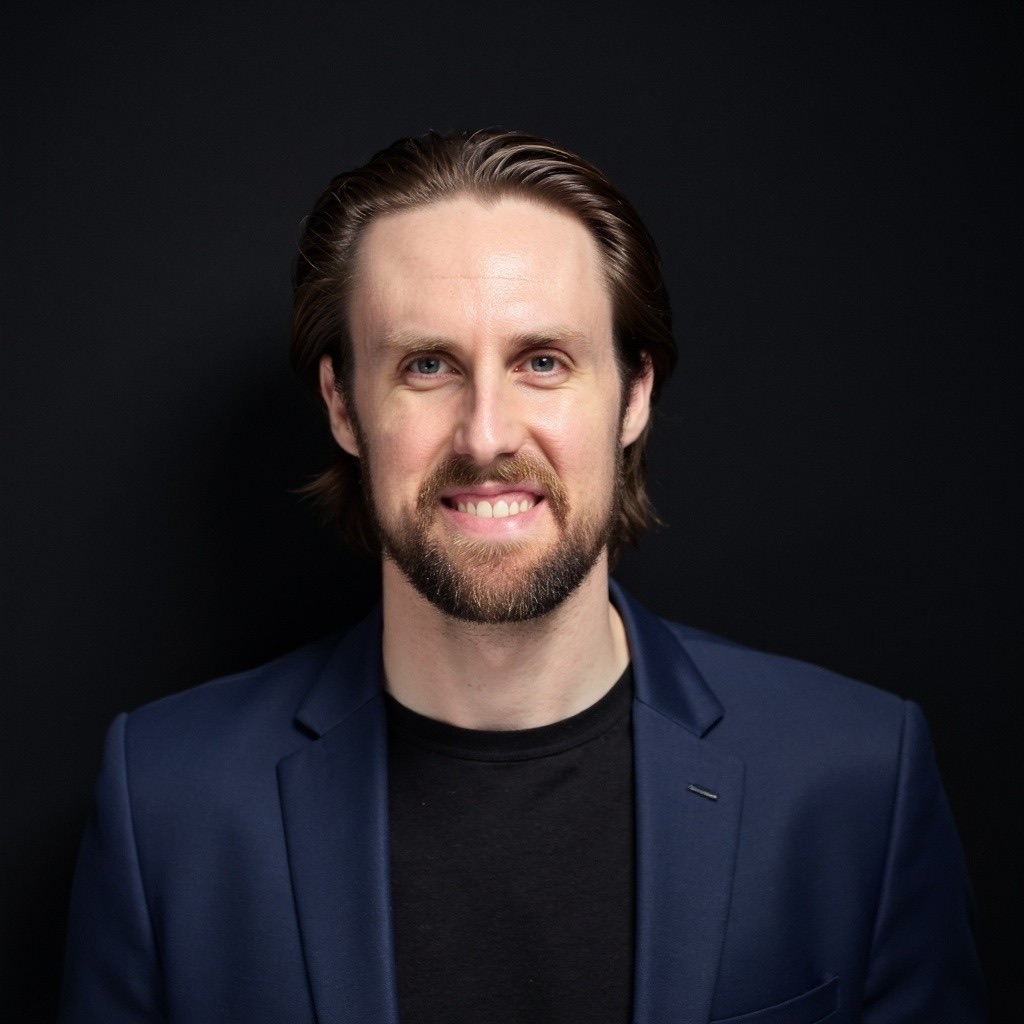
I started with the brain. At Yale I studied cognitive science, summa cum laude, because I wanted to understand the real why behind every choice a person makes. The deeper I went, the clearer one thing became. Technology is rarely the hard part. People are. A product can be brilliant and still fail, because no one changes what they do to use it.
So I went to study how people decide. At the LSE I took a master’s in decision science and graduated top of my class. My thesis used psychometrics to predict where collective behavior would break next: DARPA-funded research into how beliefs spread online, in the wake of the Arab Spring. I learned that behavior at scale is not random. It has structure. You can model it.
And then I learned the more important thing. You can use that to manipulate people, or to set them free.
That choice has shaped everything since. I have no interest in dark patterns or engineered compulsion. I wrote a peer-reviewed framework, the Business Ethics Canvas, for building technology that empowers people rather than exploits them. The products I am proud of made people more capable, not more dependent.
For fifteen years I have built at the intersection of behavioral science and AI. Six AI features at Trainline on the road to a £2Bn IPO. The world’s-first AI CFO at Nume. Biometrics engines in healthcare. An AI tool that changed how brands decide who to trust. Eight zero-to-one AI products across seven industries. Five raises, two exits. The technology kept changing. The question never did.
I put the method in a book, Sculpt the Future, so the people I work with keep it after I leave. I have taught it at the LSE and to every team I have led. Marty Cagan, who I count as a mentor, featured the work in Transformed.
Why this matters now
AI has made the question I started with the whole game. It can generate almost anything now. What it cannot do is decide what is worth building, or move a real person to change what they do. Founders feel this as the gap between a demo that lands and users who never come back. That part is still ours, and it asks more of us, not less.
I think the best products do something quietly profound. They meet people as they actually are, and leave them a little more themselves. That is the work I want to do, with seed-stage founders building AI products people genuinely adopt.